What Are Oversized Hoodies?
The oversized hoodie is made intentionally larger compared to the wearer’s body, which is not the same as choosing a larger size. Normally, a pattern will include a dropped shoulder, a wider chest, an elongated body, and longer sleeves. In a correctly designed garment, the shoulder line hits the upper part of the arm, and the bottom hits the top part of the thigh. Generally, most fashion brands characterize oversized clothes as loose fit and dropped shoulders, and recommend customers order their usual size. This is important for fashion retailers since a truly oversized blank maintains its proportions in all sizes.
What Is a Regular Fit Hoodie?
The regular fit hoodie will have the same silhouette as a garment without fitting into the body too tightly, and it will still be the shape that people envision in their mind when they think about a classic hoodie. The shoulder seam is placed exactly at the end of the shoulder bone in a way similar to a fitted shirt. The sleeves will go down to the wrists but will not cover the hands. The bottom of the garment will hit just below the waistline. The simple and recognizable shape is why the regular fit is prevalent in uniforms, teams, and corporate merchandise.
Oversized Hoodie vs Regular Fit
Oversized Hoodie vs Regular Fit is determined by four factors, namely shoulder seam placement, body length, sleeve length, and fabric usage. The shoulder seam on an oversized hoodie falls down to the upper arm as opposed to falling on the shoulder bone on a regular hoodie. An oversized hoodie is generally long, reaching up to the upper thigh level, while a regular hoodie stops at the waistline. Sleeve lengths on an oversized hoodie are longer, overlapping the wrist as compared to stopping right at the wrist in a regular hoodie. Additionally, oversized hoodies use more fabric per garment, making them heavier and bulkier to transport. In cold weather conditions, heavyweight oversized hoodies at 400 GSM are premium.
How Should a Hoodie Fit?
The proper fit of a hoodie will vary based on its style, and all product pages must communicate this information clearly to consumers. If the hoodie is for a regular fit, the shoulder seam should align with the shoulder bone, the cuffs should hit the wrist, and the bottom hemline should fall above the waistline. In case of an oversize fit, the seam should be located on the upper part of the arm, the sleeves can overlap slightly at the wrist, and the hem can fall to the top of the thigh. The seam that falls about 2 to 4 cm away from the shoulder provides an easy-going oversize look, while a larger seam fall provides a more extreme silhouette. Fit and size are the main factors for returning a hoodie, and this is why on-body pictures and measurements are critical for every listing.
Which Sells Better in Winter?
For fashion-forward and streetwear boutiques, the oversized hoodie will generally have higher sales in winter, but the regular fit will continue to dominate for uniforms and other corporate orders. The top-ranking print-on-demand and apparel trends reports for 2026 list the oversized fit among the top hoodies of the season. Most people have come to recognize that the oversized hoodie is a wardrobe must-have as opposed to being just a trend. The seasonal data will also justify stocking up before the holiday period. Five years of market interest data indicate that the highest point for oversized hoodies is in December and the lowest in June. The bottom line is that the oversized hoodie will appeal to the trendy buyer and gift buyer, while the regular fit will sell in bulk.
Who Buys Each Fit?
Oversized hoodies sell mainly to Gen Z and millennial shoppers, streetwear fans, and customers who prefer unisex or gender-neutral clothing. In North America, demand for oversized styles is closely tied to street culture, urban music, and the steady rise of gender-neutral fashion. Many shoppers also buy oversized hoodies as loungewear and as holiday gifts. Regular fit hoodies sell best to corporate teams, schools, gyms, sports clubs, and customers who want a timeless shape. These buyers care about clean logo placement, predictable sizing, and a fit that works across a wide age range. Before your next order, look closely at who actually buys from you. A streetwear store and a promotional printer may want the same hoodie, just in a different cut.
Printing on Blank Oversized Hoodies
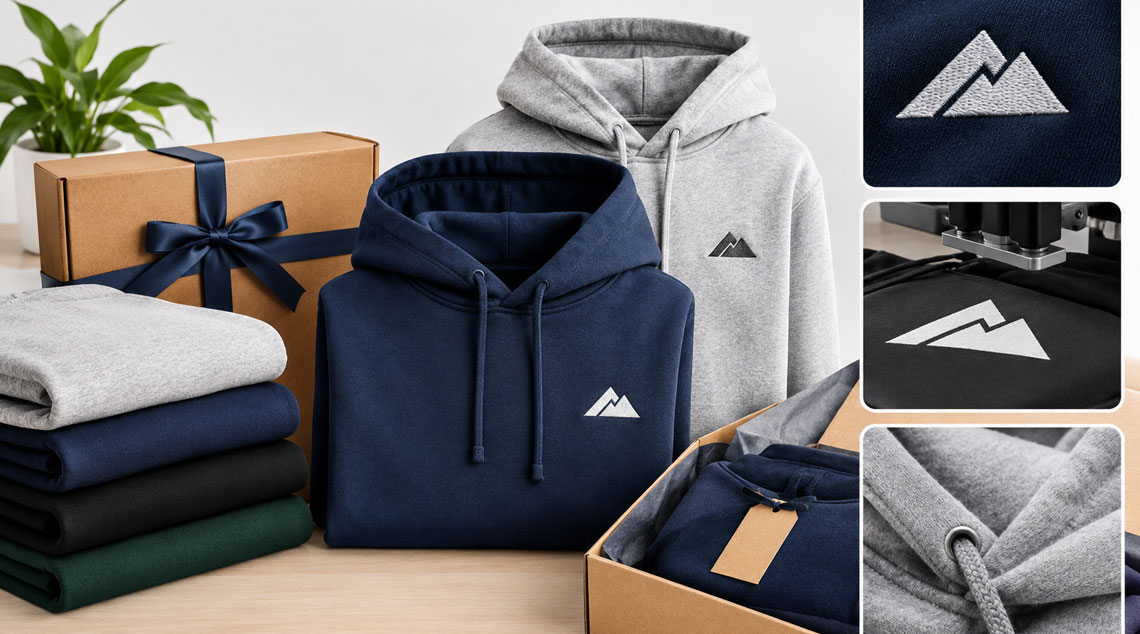
Blank oversized hoodies give designers a bigger canvas, but the dropped shoulder changes where artwork should sit. Their wider bodies support large back prints and bold chest graphics, which work especially well for streetwear drops. Because the shoulder seam sits lower, a chest print placed using regular fit measurements can land too low or too wide. Always test placement on a real sample before a full production run. Heavyweight fleece handles screen printing, embroidery, and puff print well, but thick seams and kangaroo pockets can interfere with large front designs. Regular fit hoodies remain the safer choice for small left-chest logos and multi-location corporate prints. Whichever fit you choose, use a size chart with flat measurements so artwork scales correctly across every size.
Buying Wholesale Oversized Hoodies
When you buy wholesale oversized hoodies, judge the pattern and the fabric before anything else. Ask your supplier for a spec sheet that lists fabric weight in GSM, fiber blend, shoulder drop, body length, and sleeve length for every size. Order samples in at least two sizes to confirm that the oversized shape holds across your full size run, not just in a medium. Check the fleece face for pilling, the rib cuffs for stretch recovery, and the hood for double lining, because buyers notice these details first in winter. Remember that heavier oversized pieces take more space in storage and shipping. Finally, confirm restock lead times so your best-selling colors and sizes do not run out in the middle of the season.
Getting the Stock Ratio Right
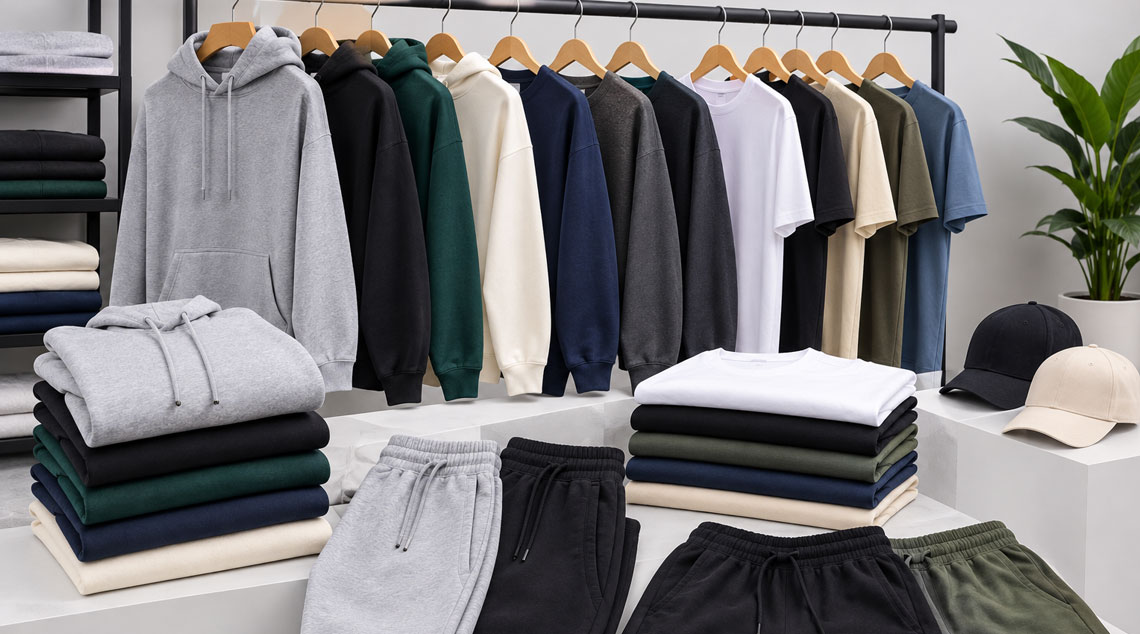
What combination of oversized and regular fits is right will be a result of your particular sales record rather than just a list of current trends. The general rule of thumb to begin with when you have a streetwear or youth-oriented retail operation is to start out with about 60% oversized and 40% regular fits. When it comes to promotional printers, schools, and corporate suppliers, the opposite tends to work better. Add depth to your inventory in base colors like black, heather gray, and navy, and add one or two colors from the season to see how they move. Your oversized customers are going to tend to buy sizes down to examine them, so you may need more smalls and mediums in your size curve.
Final Verdict
Oversized hoodies will be more popular sellers for trend-based retail in the winter season than regular fit hoodies, but regular fit hoodies will still be the basis for bulk orders and corporate sales. Few businesses need to limit themselves to just one style. Rather, they can carry both styles and define a specific niche for each one. Oversized hoodies should be used for drawing in young customers, gift givers during the holidays, and streetwear enthusiasts. Regular fit should be used for bringing in loyal group orders to ensure consistent business all year round. As you prepare your winter line-up of products, Zuni Sportswear provides both styles of blank hoodies.
Frequently Asked Questions (FAQs)
Q1: Should I size up for an oversized hoodie?
No. A true oversized hoodie is designed to fit loose in your normal size. Sizing up usually makes the sleeves and hem too long. Size down only if you want a closer, more regular look.
Q2: Are oversized hoodies still in style in 2026?
Yes. Oversized fits rank among the top hoodie trends of 2026, and demand for oversized silhouettes has grown year over year.
Q3: Are blank oversized hoodies good for printing?
Yes. Their wider body suits large back prints and bold chest graphics. Test print placement on a sample first, because the dropped shoulder changes where artwork sits.
Q4: How long should a regular fit hoodie be?
A regular fit hoodie should end just below the waistband. The cuffs should stop at the wrist without covering the hands.