Five Common Mistakes New Fashion Brands Make
September 3, 2026
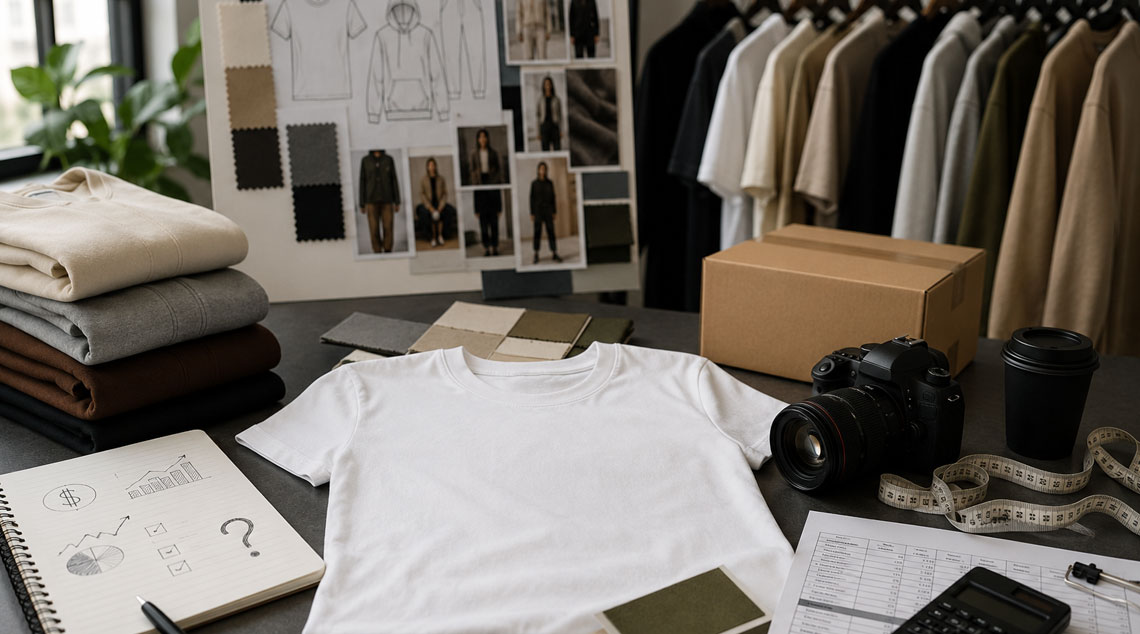
It is very fun and exciting to create a clothing line, but this excitement can blind you to some quite costly pitfalls along the way. People tend to concentrate on the designs and the branding of their product, without realizing that there are several other areas that could be a pitfall for them. Knowing how to start a fashion brand and how to do it the correct way means being aware of these pitfalls beforehand, rather than after you’ve wasted money and time.
Research Before You Start a Clothing Line
Most entrepreneurs dive head-first into the manufacturing process without having complete clarity on their target market, audience, and competition. It is very likely that such a hasty venture may end up producing a range of products that seem great on paper but fail to resonate with consumers. It is always advisable for anyone wishing to start a clothing line to take some time researching their target consumer, their budget, and prevailing trends within that niche. A week or two of preparation can go a long way.
Clothing Brand Startup Costs Add Up Fast
New founders often budget only for garments and forget everything else involved in getting a brand off the ground. Photography, packaging, samples, shipping, and marketing all add up quickly, and clothing brand startup costs are almost always higher than the first estimate. This mistake leaves many brands undercapitalized just months after launch, unable to reorder stock or fund a second collection. Building a realistic budget that accounts for these hidden expenses from the start prevents this common cash flow trap. It's far easier to plan for these costs early than to scramble for funding mid-launch.
How to Find a Clothing Manufacturer That Fits
Choosing a clothing manufacturer based solely on pricing without verifying their experience and sample quality will be among the biggest mistakes that new brands can make. The process of getting to know how to choose a clothing manufacturer who will work properly with your product category will take some time, but in the future, it will save you from problems with inconsistent stitching, poor sizing, and delayed deadlines. The problem is that a custom clothing manufacturer who doesn't know much about your product category (activewear, streetwear, basics) will agree to everything you want without the ability to produce it right.
Why a Low MOQ Clothing Manufacturer Helps
New brands frequently assume they need to place huge orders to get decent pricing, so they either overcommit financially or give up before starting. In reality, plenty of manufacturers offer flexible minimums, and working with a low MOQ clothing manufacturer allows a new label to test designs without the pressure of moving hundreds of unsold units. This approach keeps early risk manageable while still allowing the brand to learn what actually sells. Once a style proves itself, scaling into larger orders becomes a far safer decision backed by real data. Zuni Sportswear is one example of a clothing manufacturer USA brands turn to for exactly this kind of low-risk, low-minimum starting point.
Vetting Wholesale Clothing Suppliers Properly
Some new brands rush into a supplier relationship without confirming pricing structure, minimums, or communication reliability, only to run into problems after the order is placed. Reliable wholesale clothing suppliers provide clear terms upfront and are transparent about lead times, sample availability, and quality standards. This matters even more for wholesale clothing for small business owners, since a single bad batch can wipe out a tight budget fast. Taking the time to compare a few suppliers, request samples, and read reviews before committing protects both money and reputation. A dependable supplier relationship built early on tends to pay off across every future order.
A Manufacturing Partner Based in the USA
A partnership with a private label clothing manufacturer in the domestic sphere will be able to solve many of the issues described above, as shorter lead times and easy communication eliminate a lot of surprises. Moreover, a manufacturing partner in the US will make it easier to visit the facility, get samples quickly, and establish an ongoing relationship. Zuni Sportswear partners with emerging brands in the United States, providing the sort of easily manageable minimums and clear process flow that makes sourcing less difficult at the beginning stages. For those who are just learning about how the manufacturing process works, having a manufacturing partner in the same country eliminates a lot of the uncertainty.
Conclusion
Every fashion brand starts with the same goal: building something customers genuinely want to wear. The brands that make it past their first year are usually the ones that avoid rushing into decisions around research, budgeting, and sourcing. Knowing how to start a fashion brand the right way means treating these early choices with as much care as the designs themselves. Avoiding these five mistakes won't guarantee success, but it removes the most common, avoidable reasons new fashion brands stumble early on.
Frequently Asked Questions (FAQs)
Q1: How much does it cost to start a fashion brand?
Costs vary widely, but new founders should budget beyond garments to include samples, packaging, and marketing.
Q2: What is a good MOQ for a new clothing brand?
It depends on the manufacturer, though many low MOQ options now start well under 100 units per style.
Q3: How do I find a reliable clothing manufacturer?
Request samples, ask about experience in your product category, and confirm clear pricing before committing.
Q4: Is it better to work with a US-based manufacturer?
For most new brands, yes, since it usually means faster communication and quicker sample turnaround.
Q5: What's the biggest mistake new fashion brands make?
Underestimating true startup costs and rushing into a supplier relationship without proper research.