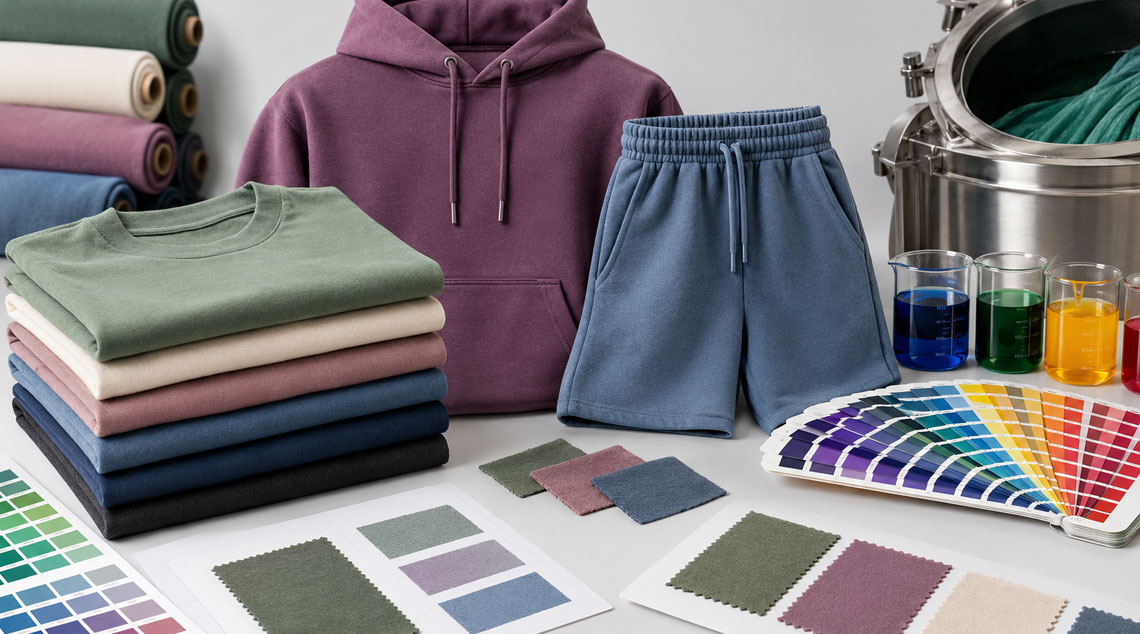
What Does PFD Mean in Clothing?
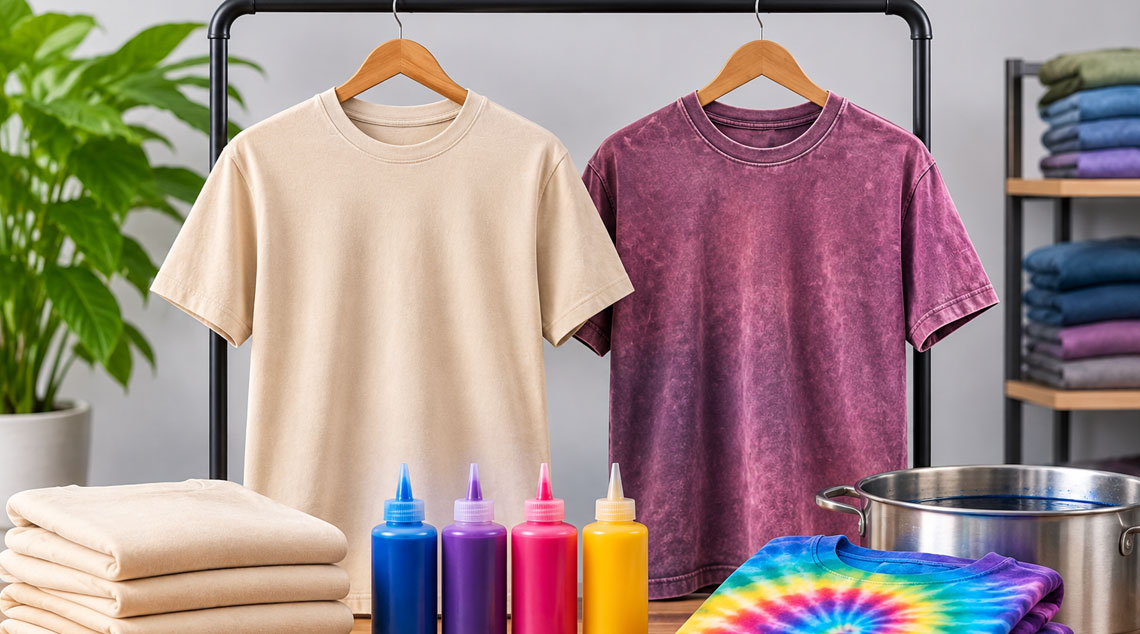
“PFD” stands for “Prepared for Dye”. As far as garments are concerned, PFD refers to those garments that have been designed and manufactured specifically for dyeing. Unlike ordinary white shirts, which usually are whitened through some kind of finishing process, PFD shirts remain their natural, light brown color because they are not processed through the treatment that keeps dyes from penetrating equally into the fabric. All components used to manufacture PFD blanks, including fabrics, threads, and even their shape, have been selected so as to make dyeing easy and effective.
How Prepared for Dye Shirts Are Made
Prepared for dye shirts go through a cleaner, simpler finishing process than regular blanks. After knitting, the fabric is scoured and bleached to remove natural oils, waxes, and impurities, but it skips optical brighteners and softeners, which can block dye. The garments are usually sewn with cotton or cotton-wrapped thread, so the seams absorb color along with the rest of the shirt. PFD blanks are also cut with extra room in the pattern, because the garment will shrink during the hot water and washing steps of dyeing. The result is a clean, neutral canvas that is ready to take almost any color.
PFD Blanks vs Regular White Blanks
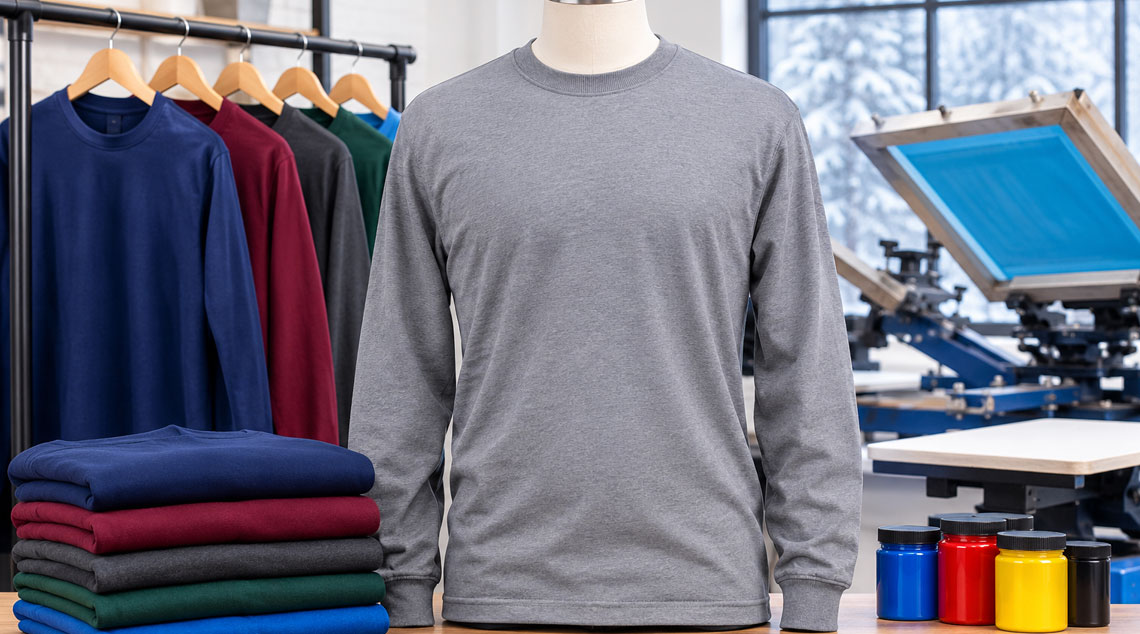
There are many new brands that have taken the assumption that any white garment can be dyed, but the standard white blanks produce less than satisfactory results. The majority of the white shirts are manufactured using optical brighteners, which will make the shirt look brighter, along with softeners or finishers to give it that smooth finish. These may inhibit dyeing and will give you a streaky or patchy effect. The standard blanks are also usually stitched using polyester threads, which will not absorb the cotton dye and will remain white even when your shirt is colored.
PFD vs Garment Dyed vs Pigment Dyed
These three terms are connected, but they are not the same thing. PFD is the undyed starting garment, the blank canvas before any color is added. Garment dyed means a finished, sewn garment has been dyed, usually with reactive dyes, which gives rich, even color and a soft, broken-in feel. Pigment-dyed garments use pigments that sit on the surface of the fiber, which creates a faded, vintage look where seams and edges often appear lighter. Both garment-dyed and pigment-dyed styles usually begin life as PFD blanks.
Why Apparel Brands Use PFD Blanks
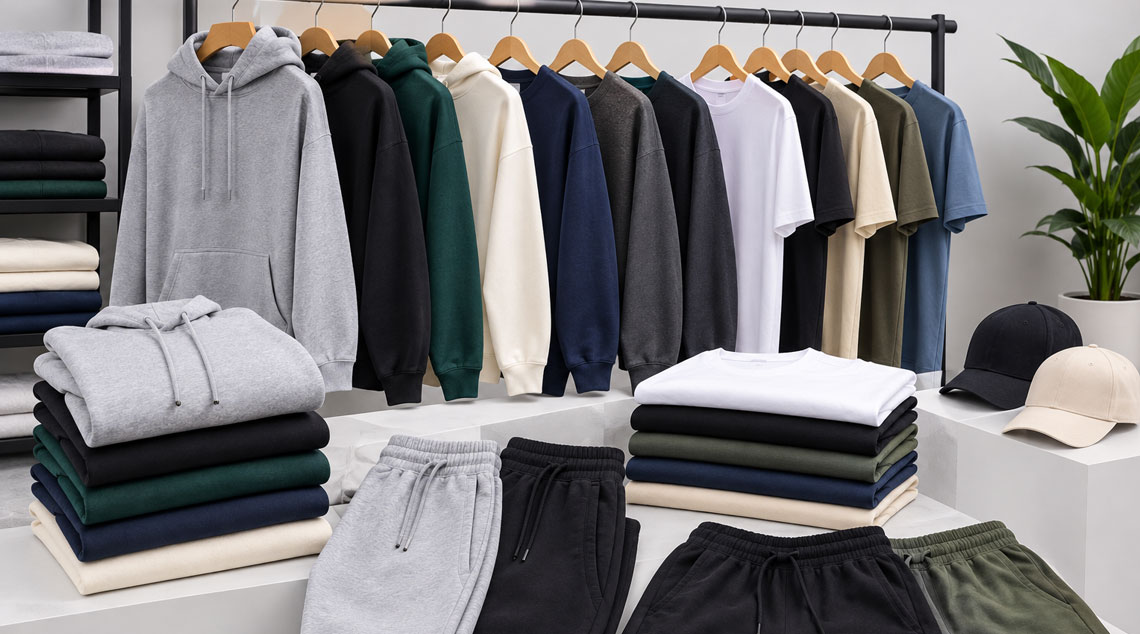
This way, the use of plain dyeable blanks allows apparel brands to gain more control than when using regular colored blanks. It is possible to come up with unique and exclusive shades that can be used to match the exact shades of the brand and even make some seasonal and limited-edition colorways. Additionally, PFD blanks allow brands to better manage their inventories. The fact is that it is enough to have one type of uncolored blank and dye those blanks that are popular. PFD blanks such as T-shirts and hoodies are great for creating unique tie-dye, ice dye, dip dye, and vintage wash items.
Best Dye Methods for PFD T-Shirts
PFD T-shirts that are composed of 100% cotton are suitable for every dyeing technique available. The fiber reactive dye is the preferred choice by small brands, since it reacts with the fabric, retains its color after several washes, and can be applied both in cold and hot water, with soda ash being used as the fixative. These dyes are used in tie-dye, ice dye, and dip dye processes, which are perfect for batch dyeing. For bigger batches, commercial dyeing companies employ industrial garment dye machines. Pigment dyeing and mineral/acid wash are good choices for achieving vintage results.
Dyeing PFD Hoodies: What to Know
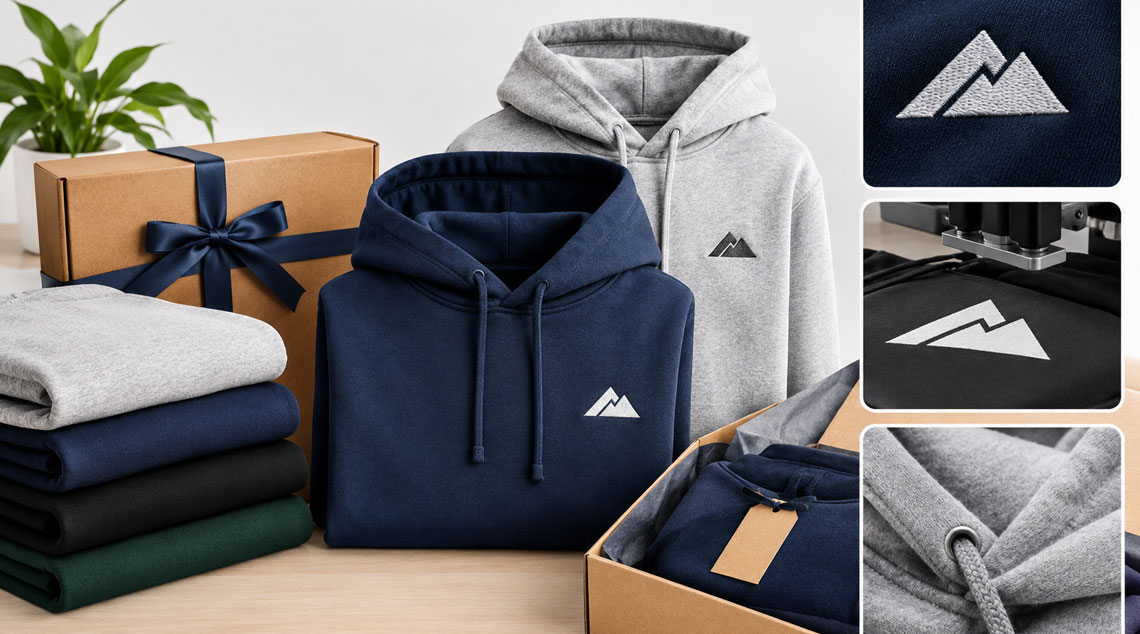
PFD hoodies need a little more planning than tees, because fleece is thicker and often blended with polyester. Cotton dyes only color the cotton fibers, so an 80/20 cotton-poly fleece will usually come out slightly softer or more heathered than a 100% cotton tee in the same dye bath. Hoodies with a 100% cotton face, like 3-end fleece, give the best results because the outside surface takes color fully. Thick areas like hoods, cuffs, and waistbands need more time in the dye bath and careful rinsing to get even color. Always test one hoodie before dyeing a full batch.
Shrinkage and Sizing in PFD Blanks
Shrinkage is one of the most important things to understand about PFD blanks. Because these garments haven’t been through the heavy washing and finishing of regular blanks, they will shrink during dyeing, especially with hot water and heat drying. Good PFD blanks are cut slightly larger so they shrink down to the right size after the dye process. This means a PFD shirt may look a little big before dyeing, and that is completely normal. Always measure a sample before and after dyeing so you can share accurate size charts with your customers.
Common Mistakes When Dyeing PFD Blanks
The biggest problem is failing to do a sample dye job on one or two shirts and dyeing an entire order at once. Other issues could be using the wrong type of dye for the material being used, using insufficient quantities of fixative, or not washing the shirt thoroughly so that the colors bleed during the customer’s first wash. Brands don’t realize that colors might differ slightly from batch to batch when dyeing clothes, so it’s better to dye all the pieces of a line at the same time. Another mistake is printing before dyeing, because most prints need to be applied afterward.
Zuni PFD Blanks for Apparel Brands
Zuni Sportswear offers a dedicated PFD collection made for brands, dye houses, and decorators. Zuni’s PFD jersey fabric is 30 singles, 150 grams / 4.57 oz, 100% combed ring-spun cotton, which makes it ideal for fiber reactive dyes, tie-dye, and garment dye projects. For fleece, the ZS4002 Adult PFD Pullover Hoodie is made from 285 GSM / 8.5 oz 3-end fleece in an 80% cotton / 20% polyester blend with a 100% combed cotton face, so the outside takes color beautifully. It also features a double-layer fleece hood, half-moon back patch, bartacked pockets, and spandex ribbed cuffs and waistband for a premium finish.
Because Zuni owns its own mill and dyes its own colors, brands can count on consistent quality from one order to the next. Zuni also offers PFD options in styles like the ZS1201 Heavy Weight Oversized Garment Dyed T-Shirt and the ZS4080 Essential Oversized Hoodie, which suit vintage and streetwear collections. If you don’t want to dye in-house, Zuni’s custom color matching and custom manufacturing services can create your brand colors for you.
How to Order PFD Blanks in Bulk
Determine what products will be dyed and choose the appropriate dyeing methods, such as tees, hoodies, or crewnecks. Get a couple of samples first and do an entire process test on them - dye them, wash them multiple times, and examine their appearance, shrinkage, and fit. If you approve of the end result, determine your bulk order based on the best-sellers and how many colorways you wish to release. Ordering bulk PFD blanks reduces costs and ensures that all garments within your collection are made of the same fabric batch. Join Zuni Wholesale and enjoy bulk pricing.
Frequently Asked Questions (FAQs)
What Does PFD Mean in Clothing?
PFD means “Prepared for Dye.” It’s a garment made without brighteners or finishes so it can be dyed evenly after it’s sewn.
Can You Dye Regular White T-Shirts Instead of PFD?
You can, but results are often uneven, and polyester thread stays white. PFD blanks give cleaner, more consistent color.
Do PFD Blanks Shrink?
Yes, PFD blanks shrink during dyeing. Good ones are cut slightly larger so they shrink to the correct size.
What Dye Works Best on PFD T-Shirts?
Fiber reactive dyes work best on 100% cotton PFD T-shirts and give bright, long-lasting color.
Can PFD Hoodies Be Tie-Dyed?
Yes. PFD hoodies are great for tie-dye, especially ones with a 100% cotton face for brighter color.