Custom Color Blank Apparel Basics
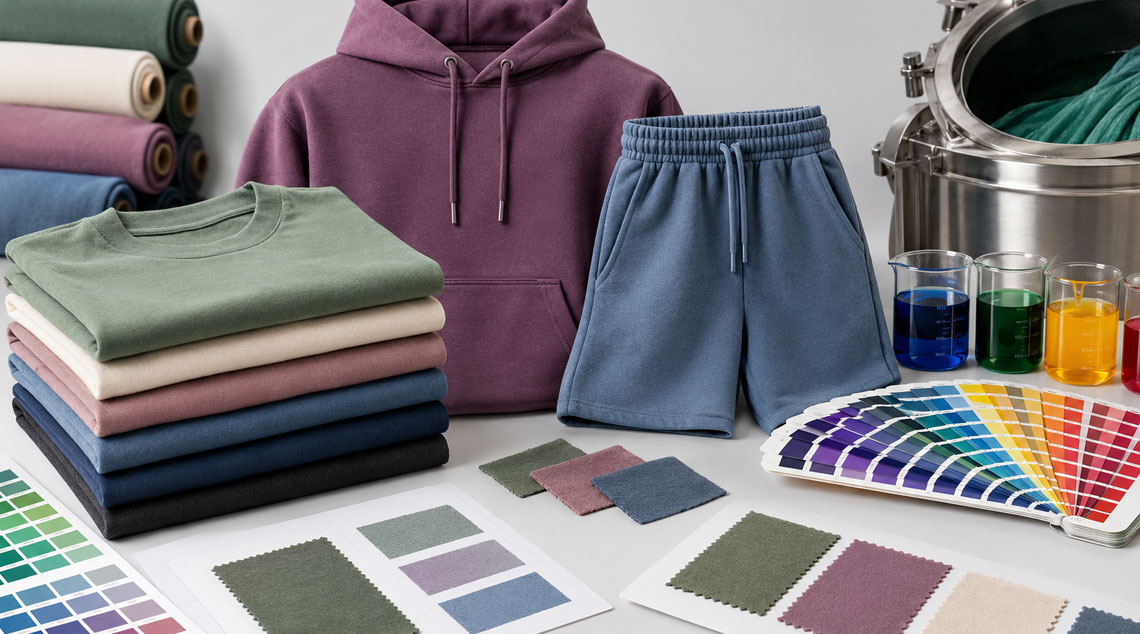
When placing an order for custom-colored blank apparel, it means that the factory will dye the clothes according to your color choice as opposed to using stock colors. It is important to note that most suppliers ask for a color reference, quantity assurance, and approval prior to the start of mass production. It is also wise for you to determine what type of garments need the particular color, whether it be tees, fleece, or shorts. Being aware of this will make your quotations more accurate.
Pantone Color Matching Apparel
A Pantone color match for clothing is the best way to convey your specific color to a factory. Get a Pantone TCX textile system since the Pantone coated paper system is inaccurate when applied on fabric. Send your Pantone TCX number together with your actual fabric sample if you have any as screen displays do not match fabric displays. A good supplier will give you a color match according to your Pantone number and let you know of the degree of accuracy. The same Pantone number appears differently on cotton and polyester.
Lab Dips Explained
The lab dip is the tiny piece of fabric which is made according to your color reference before bulk dyeing is done. This is the process that is mostly neglected by brands but the one which can save you from making the costliest mistake. Factories always deliver two or three different pieces so that they can be compared in natural and artificial light. Choose one version in written and keep the sample of fabric for future orders.
Dye Methods Compared
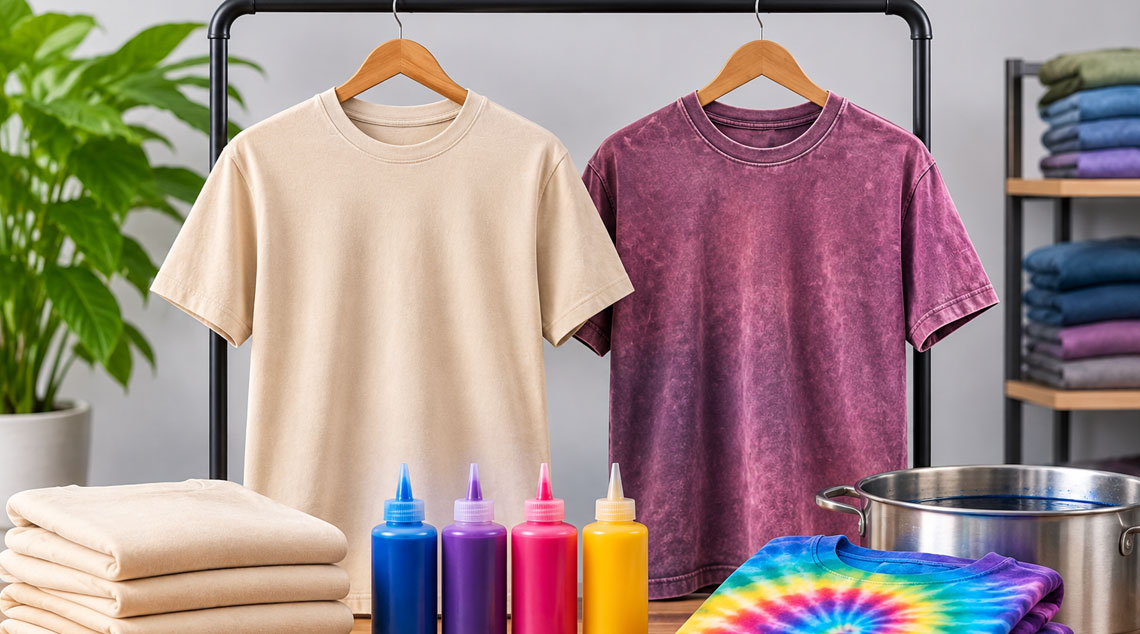
The dyeing process that you use will influence the appearance and price of your clothes. Garment dyeing involves coloring already produced clothes and will give an impression of softer colors like those used for vintage or street style clothing. In piece dyeing, fabrics are colored prior to cutting them into smaller pieces and, generally, provide more consistent colors in large orders. The most commonly used dyes for cotton fabrics are reactive ones as they react well to natural fabrics and withstand washing cycles.
Custom Dyed Blank T-Shirts
Dyed blank tees are the simplest way for brands to incorporate their own colors without going for an entire collection line. Dyeing works well on cotton blanks, while combed ringspun cotton will provide a smoother texture that results in better, more consistent colors. Heavier blanks in midweight and heavyweight ranges usually yield darker shades. Ordering a few samples is also advisable, as this way you will be able to assess color and fit beforehand.
Wholesale Blank Hoodies in Custom Shades
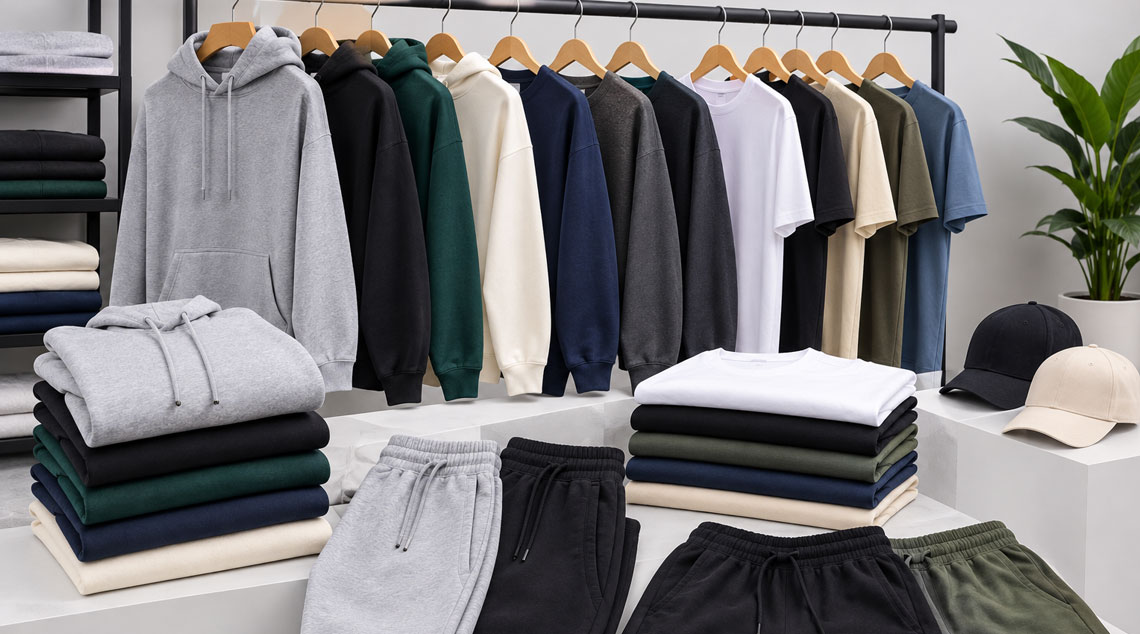
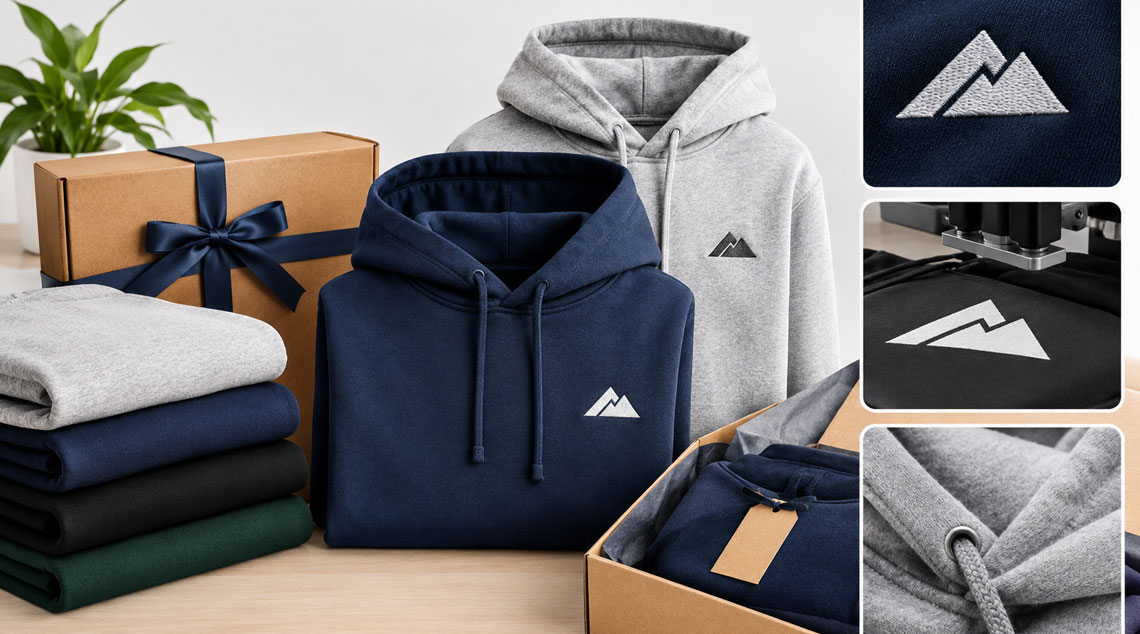
Wholesale hoodies are different from tees in terms of dye absorption because of the thicker and brushed fabric of the fleece. Usually, dark colors such as dark green or burgundy work better on fleece with high content of cotton fibers, and lighter colors can be achieved with polyester fibers. Ensure that all trims such as zipper, drawcords, and ribbing are dyed in the same color because mismatched trims can ruin the overall premium look. A finished sample hoodie in desired color must be provided before bulk orders.
Bulk Blank Apparel MOQs and Pricing
Higher minimums are required by suppliers when purchasing bulk blank apparels in custom colors since dye baths have to be prepared for each custom color. Normally, the minimum order quantity will start at a few hundred up to a thousand garments per custom color, depending on the factory and material used. Additional costs may apply such as lab dips, color development, and even setup costs. It is advisable to order more of a certain color and less colors overall to decrease costs per unit.
Lead Times to Plan For
Custom color runs take longer than stock runs since each run has to go through the process of color matching, confirmation, and dyeing before being manufactured. A realistic schedule will always involve lab dip confirmation, a sample run, and then bulk manufacturing and shipment. The most common mistake that causes brands to receive shades that are not consistent with their brand is rushing the process. Allow ample time on your brand’s launch schedule, particularly during peak season times where factories are already swamped.
Fabric and GSM Effects
Fabric type and weight change how a color appears, even when the dye formula is identical. Cotton produces rich, deep tones, while nylon and mesh often need different dyes and can look more vibrant or glossy. Heavier GSM fabrics generally hold color more deeply than lightweight ones, which can look slightly translucent or paler. If you are launching a full range, test your shade on each fabric you plan to use. Never assume a color approved on tees will look the same on shorts or fleece.
Printing on Custom Colors
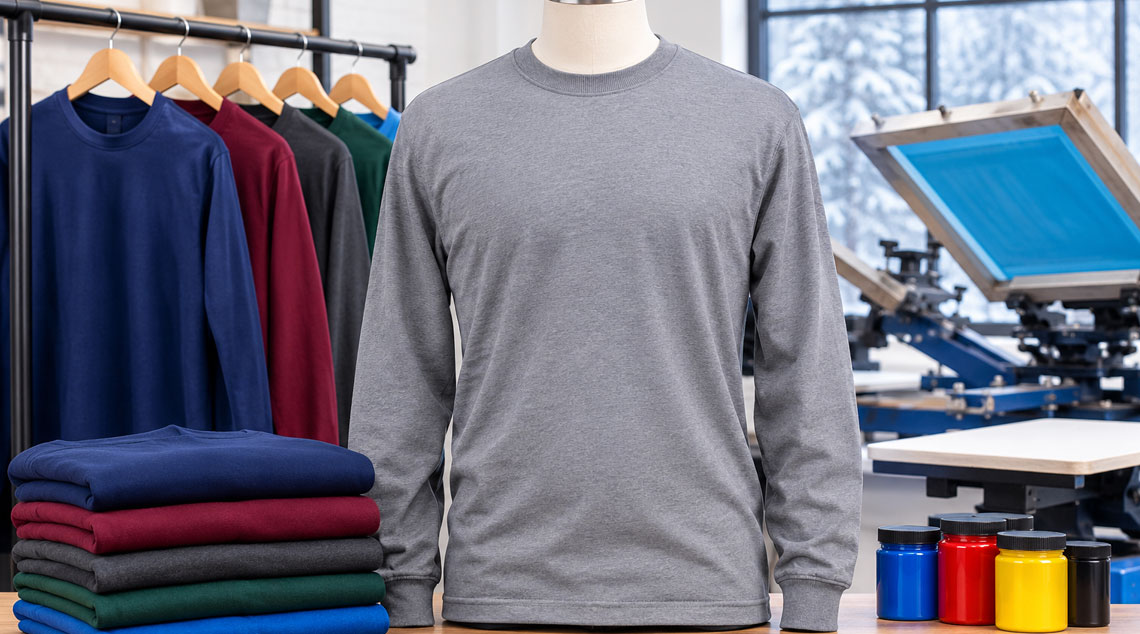
Your decoration method should be decided before you finalize the garment color. Screen printing works well on most dark and bright colors, but light inks may need an underbase to stay opaque. Direct-to-garment printing performs best on lighter, cotton-rich fabrics, while embroidery works across most shades and weights. Dyed garments can also release moisture or residue, so do a test print before the full run. Sharing your print plans with the supplier helps them recommend suitable fabrics and dye processes.
Common Mistakes to Avoid
The most frequent mistake is approving a color from a screen instead of a physical swatch. Others include skipping lab dips, ordering without checking batch-to-batch variation, and failing to confirm tolerance levels in writing. Many brands also forget to ask about colorfastness, so colors fade or bleed after washing. Reordering months later without the original swatch can also produce a different shade. Keep clear records of every approval, and treat each reorder as a new match to verify.
Supplier Questions to Ask
Before choosing a manufacturer, ask about their MOQ, lab dip process, color tolerance and typical lead times. Request photos or samples of previous custom color work, ideally in fabrics similar to yours. Ask whether they test for colorfastness and shrinkage, and how they handle shade variation between batches. A reliable supplier will answer plainly and put key terms in writing. If a manufacturer avoids these questions, treat it as a warning sign before you place any bulk order.
Final Thoughts
Ordering custom color blank apparel becomes straightforward once you follow a clear process: define your shade, use Pantone color matching apparel references, approve a lab dip and confirm your MOQ and timeline. Whether you choose custom dyed blank t-shirts or wholesale blank hoodies, early planning and written approvals protect your brand. Start with a small test order, learn how your color behaves on each fabric, and then scale your bulk blank apparel orders with confidence