Lightweight vs Midweight Tees for Summer Streetwear: The Fabric Tension Nobody Talks About
July 1, 2026
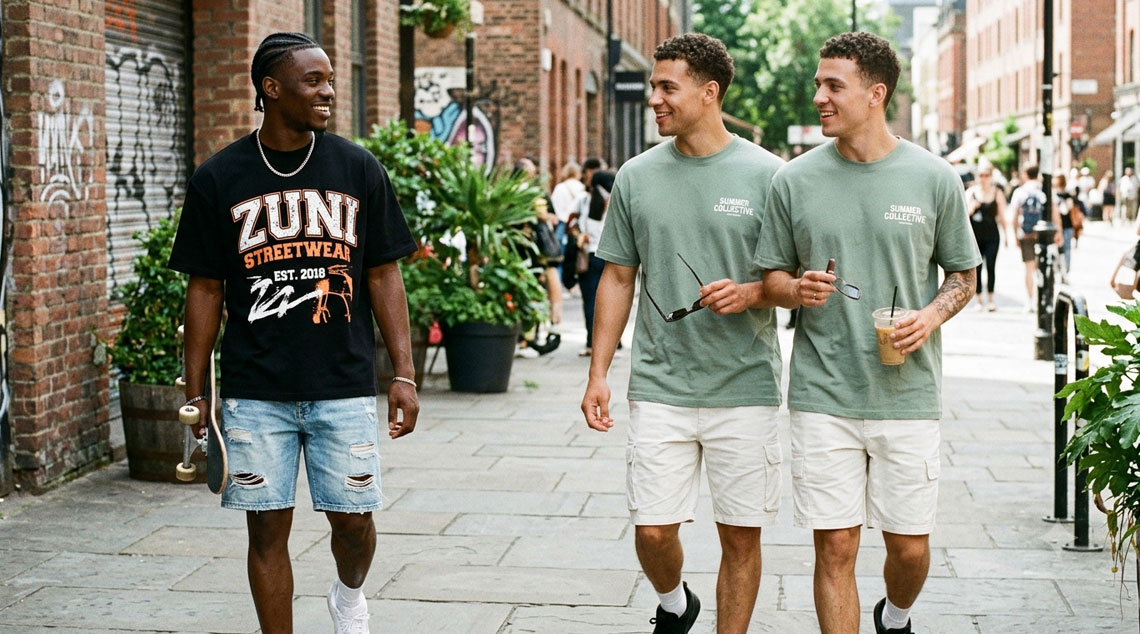
The streetwear brand spends months creating its image on the basis of its signature super-heavy 220+ GSM t-shirts. The consumers enjoy the luxurious feel, structured fit, and heavyweight design. But when the summer comes, the sales start dropping, and the same criticism starts repeating itself. The t-shirts look nice, but it’s too hot to wear them. The founder is faced with a choice: switching to a lighter GSM and losing their brand signature, or sticking with the heavyweight one and having a lower summer sales rate. This is the core dilemma of light-weight vs mid-weight t-shirts, and while everyone compares the GSM, no one solves the issue. The solution doesn’t lie in picking the lightest fabric possible; it lies in understanding the GSM effect on all three factors.
Lightweight Tees
Tees made from lightweight fabrics are typically manufactured from 150 to 160 GSM (approximately 4.5 oz). They are comfortable garments meant to be worn in hot weather conditions. Tees made of lightweight fabrics have a soft texture, are breathable, and feel cool; however, the oversized style cannot be achieved with such a type of fabric. As the fabric becomes very light, it drapes tighter around the body, losing its square form, and it becomes difficult to achieve a boxy silhouette as sleeves do not have enough body to keep it. Graphics on light tees may become less noticeable since such fabric moves more easily when printed.
Combed Ringspun Cotton
Among lightweight fabrics, combed ringspun cotton offers the best performance. The longer fibers create a smoother surface, better durability, and a cleaner finish than standard cotton. Even at lower GSM, high-quality ringspun yarn produces a better fabric drape and softer hand feel than cheaper alternatives. If a brand wants lightweight summer tees without sacrificing quality, combed ringspun cotton should be the first choice.
Cotton-Poly Blend
One can choose to go for a blend of cotton and polyester. This works well for those companies that wish to manufacture their shirts for regions that experience extreme heat. The blend increases the shirt’s sturdiness while keeping it soft on the skin. Though it does not offer the structure of heavy cotton, it works well for regular streetwear t-shirts.
Midweight Tees
Most brands would do well to stay away from both extremes when deciding whether to go with lightweight or midweight tees in streetwear clothing. Tees with a GSM that is somewhere between 170 and 200, or around 5.3 to 5.9 ounces, have enough heft to keep the oversized style of the garment but are significantly lighter than their heavier counterparts. This is the type of fabric that we at Zuni Sportswear advise our clients to choose for their first summer line-up of clothes.
Combed Ringspun Cotton
The midweight combed ringspun cotton shirt will always outperform a heavy cotton shirt spun using carded open-end technology. Quality fibers will ensure a smoother feel, enhanced stitching performance, and better shape retention of the garments. The assumption that 220 GSM shirts are superior to 180 GSM shirts because of GSM does not hold any water once quality is taken into consideration.
Garment Dyed Cotton
A garment-dyed finish enhances the look of mid-weight fabrics, making them appear more luxurious without adding to their weight. Adding elements such as a drop shoulder along with a slightly heavier rib collar, the 180 GSM tee can seem very heavy despite the statistics. It is common practice at Zuni Sportswear that brands switch to lightweight summer clothes without compromising on the quality.
Heavyweight Tees
Heavyweight tees have been the standard for streetwear of high quality because they inherently possess the strong silhouette that consumers want. Fabrics that weigh around 220 GSM (roughly 6.5 oz) and up have a strong shoulder construction, allow for oversized prints, and lend themselves to decoration. Comfort is the downside. For those regions with a cool climate, heavyweight tees still make an ideal year-round garment, but during hot and humid summers, they tend to be warmer than their midweight counterparts.
Screen Printing & DTF
However, the debate over whether lightweight or midweight tees are ideal for streetwear does not solely lie in terms of comfort. Decoration is another factor that should be considered. Streetwear makes use of oversized chest graphics and a big back graphic. These designs require a good print canvas for clear prints to come out. Tees that weigh less than 150 GSM are likely to move when printed, thereby leading to misregistrations. Midweight tees whose weight falls within the range of 170 to 200 GSM offer a good surface for printing either through screen printing or DTF printing. Although DTG printing works well on quality cotton tees, pretreatment is necessary in case of lighter tees so that the ink may not spread too far. Puckering can be minimized by using a no-show backing in embroidery.
Wholesale T-Shirt Inventory
The weight of the fabric will impact your company, not only your product. The higher-priced tees tend to be the heavier ones, as they need more yarn and fabric in order to make each piece of clothing. A great mid-weight tee will cost a bit less in terms of wholesale price while allowing a good price on retail sales due to its superior quality fabric and finish, and not only by weight alone. This provides an opportunity for fashion brands to have greater leeway in terms of their inventory planning for wholesale t-shirts, especially during season-specific collections where the consumer values comfort along with style.
Regional Climate
There is no summer season uniformity between different markets, and the same goes for the fabrics you use. The brands that mostly sell to humid locations, such as Florida, Texas, or the Gulf Coast regions, will have a higher need for light-to-medium-weight fabrics because people wear them when it's hot and humid outside. In contrast, for brands that sell in drier places, such as Colorado, Utah, or California, it makes perfect sense to continue using heavier tees until much later. We, at Zuni Sportswear, usually help customers pick fabric weights depending on the place where the majority of their audience is located.
Summer Capsule Collection
It's unnecessary for you to rebrand your image each year during the summer. There are many streetwear brands that have maintained their oversized silhouette and added seasonal capsules in midweight material rather than totally removing the heavyweight t-shirts from the range. You maintain the same image and silhouette for your customers to recognize, but now the clothes are more comfortable for summer weather. It's also helpful in maintaining a balance of wholesale t-shirt stocks for various seasons according to the needs of retailers.
Brand Positioning
Not every brand should move away from heavyweight tees, and that's perfectly fine. Some premium streetwear labels intentionally stay with heavyweight fabric throughout the year because exclusivity and identity matter more than maximizing summer sales. Their customers expect that substantial feel and are willing to accept the extra warmth because it's part of the brand experience. At Zuni Sportswear, we never recommend changing fabric weight simply because it's summer. The right choice depends on your audience, your market, and the image you want your brand to represent over the long term.
Frequently Asked Questions (FAQs)
Q1: What is the best fabric weight for summer streetwear?
The best fabric weight for summer streetwear is generally 170 to 200 GSM made from high-quality combed ringspun cotton. It offers a structured look while remaining cooler than traditional heavyweight tees.
Q2: Can midweight t-shirts still look like streetwear?
Yes. A quality midweight tee with a boxy fit, drop-shoulder construction, and premium cotton can deliver the same oversized streetwear aesthetic while improving comfort in hot weather.
Q3: What GSM is too light for an oversized t-shirt?
Most oversized tees begin losing their signature shape below 150 to 160 GSM. At that weight, the fabric drapes closer to the body and doesn't maintain the bold streetwear silhouette as effectively.
Q4: Does fabric weight affect screen printing on streetwear graphics?
Absolutely. Fabric weight for screen printing streetwear graphics has a direct impact on print stability. Midweight fabrics hold oversized prints better, while lightweight tees are more likely to shift during production.
Q5: How do streetwear brands stay heavyweight and still sell in summer?
Many brands release a midweight summer capsule while keeping their heavyweight collection available year-round. Others simply stay heavyweight because protecting their identity is more important than increasing seasonal sales.
Q6: What is combed ringspun cotton, and why does it matter for lighter tees?
Combed ringspun cotton is made from longer, cleaner fibers that create a smoother, stronger, and softer fabric. That's why a premium 180 GSM tee often feels better than a lower-quality heavyweight alternative.
Q7: Is a heavier streetwear tee always better quality?
No, not necessarily. Fiber quality, construction, stitching, and finishing all play a major role. A well-made midweight tee can easily outperform a poorly made heavyweight shirt.