The Psychology Behind Color Choice in Apparel
December 12, 2025
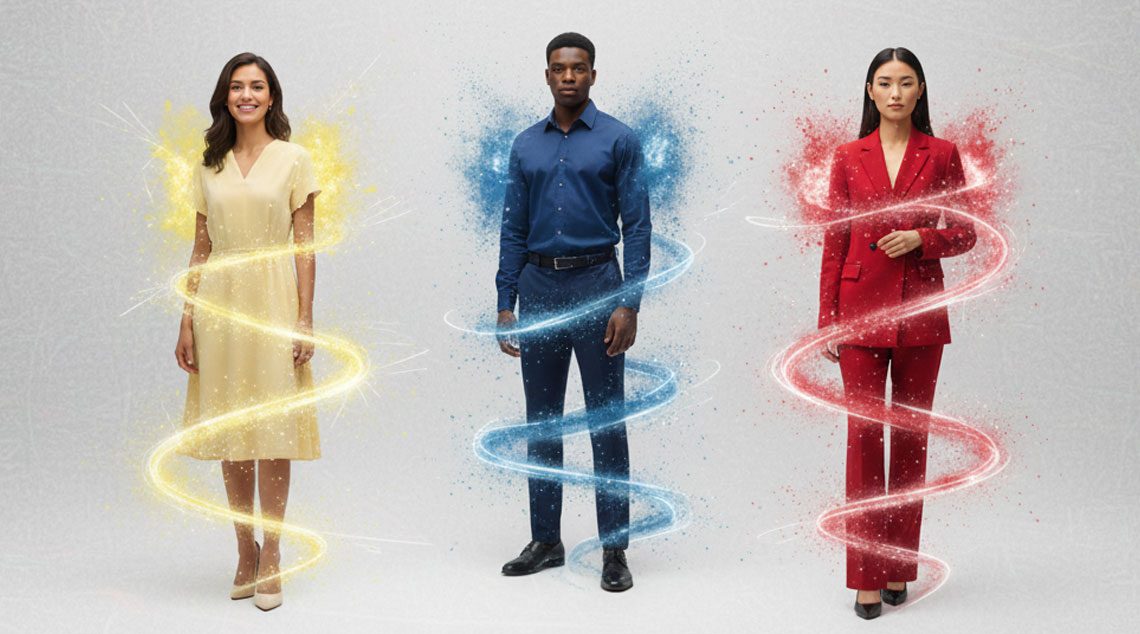
Color affects how people think, feel, and react, which is why it plays such a big role in clothing. Many people use colors to show mood, express personality, or create a certain style. These ideas connect directly to clothing color psychology, which explains how different shades change behavior. Designers, stylists, and everyday shoppers rely on color to guide decisions. This also matters for people choosing shades for custom clothing that fits a group or purpose. When we understand color better, our clothing choices become easier and more meaningful.
What Is Color Psychology?
Color psychology is the study of how colors influence emotions and actions. Each color sends a message, and that message shapes how others see us. Designers use color psychology in design to create items that feel calm, bold, warm, or confident. It also helps people understand what colors say about you, even without speaking. Many use these ideas when selecting outfits for work or social events. The same knowledge helps people make mindful choices when designing custom clothing.
Why Color Matters in Clothing
Color can change how an outfit feels and how a person feels wearing it. Some colors make us feel energized, while others help us stay calm or focused. This idea supports color psychology clothing, which explains how colors affect daily mood. Color choices also shape the first impression we make on others. That is why designers and brands study color psychology in fashion to plan collections. These ideas also guide color choices when planning custom clothing for teams or events.
Understanding Color Theory for Clothes
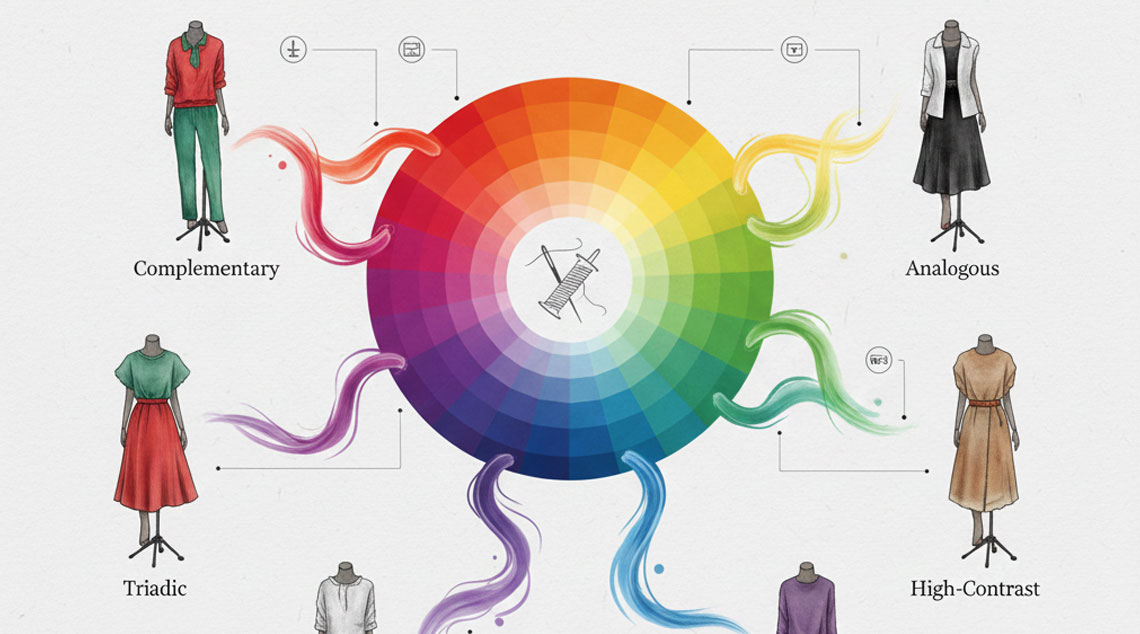
Color theory for clothes explains how colors match, blend, or contrast. It includes ideas like warm vs. cool tones, light vs. dark shades, and complementary colors. Many people use color theory to build outfits that feel balanced and pleasing. These ideas help avoid clashes that distract from a clean look. Knowing basic clothing color theory makes it easier to choose colors that work with your skin tone. It also helps people pick strong combinations for custom clothing designs.
Color Theory in Fashion Design
Designers use color theory in fashion to communicate mood and meaning through clothing. Every color choice affects the message of a collection or outfit. Warm colors may show energy, while cool colors may show calm or trust. This idea is central to fashion color theory, which helps shape seasonal or themed designs. Many creators also study color theory in fashion to build better color stories in their work. These same principles help guide thoughtful color selection for custom clothing items.
What the Color You Wear Says About You
Many people want to understand what the color you wear says about you and why it matters. Bright colors may show confidence or boldness, while soft colors may show calm or gentleness. Dark colors often show strength, focus, or professionalism. These ideas help people understand their personal style through color psychology in clothing. When used well, color becomes a tool for communication without speaking. It also helps express personality in both everyday outfits and custom clothing.
Warm Colors and Their Meaning
Warm colors like red, orange, and yellow often feel energetic and bold. Red may show passion or strength, making it a strong statement color. Orange can show enthusiasm or warmth in social settings. Yellow often feels bright and positive, giving a happy and open look. These ideas come from long-studied color psychology in fashion and emotional design. Warm colors also work well for custom clothing made for lively events or active groups.
Cool Colors and Their Meaning
Cool colors include blue, green, and purple, and they often feel calm and steady. Blue may show trust, peace, or confidence in simple ways. Green can show balance, growth, and natural energy. Purple often feels creative, thoughtful, or artistic. These colors are used widely in color psychology in fashion design to create calm or elegant looks. Cool tones also work well in custom clothing for uniforms, teamwork, or relaxed events.
Neutral Colors and Their Meaning
Neutral colors like black, white, gray, beige, and brown are classic and flexible. Black may show strength, power, or formality. White can feel clean, calm, and open. Beige and brown create natural, earthy looks that feel warm and grounded. Gray often feels balanced, simple, and steady in most outfits. Neutral colors are important in both color theory and modern fashion planning. These colors are also popular for custom clothing because they work with almost any style.
How Color Affects Mood and Behavior
Colors affect how our minds react to situations and spaces. Bright colors can raise energy or attention, making moments feel more alive. Soft colors help people relax and stay calm, especially in busy settings. Dark shades can bring a sense of control or focus when needed. Light shades help people feel open, free, and comfortable in daily life. These ideas form the base of color clothes psychology, which guides personal style choices and custom clothing planning.
Color in Fashion Trends
Fashion trends often change because colors change from season to season. Spring often uses pastels and soft tones that feel fresh and new. Summer may bring bright, bold shades that feel lively and warm. Fall often includes deep greens, oranges, and browns that feel earthy and calm. Winter may use dark, rich colors or clear neutrals for a classic feel. These seasonal ideas are shaped by color theory for clothes and wider fashion patterns. They also guide the color choices people make for custom clothing orders.
Color Psychology in Branding
Color is a key element in branding and identity. People who learn how to start a clothing brand often begin by choosing the right colors. The best colors for a clothing brand can show energy, trust, creativity, or luxury, depending on the shade. These choices are based on colour theory in design, which helps brands shape how customers feel. Color also guides style choices that connect with a target audience. These same ideas help businesses choose colors for logos, packaging, and custom clothing.
How to Use Color When Planning Custom Clothing
Color selection matters when creating group shirts, uniforms, or event gear. Warm colors may be used for sports and activities that need excitement. Cool colors are common for calm spaces and teamwork settings. Neutral colors make designs clean, classic, and easy to match with other items. These ideas come from color theory in clothes, making planning much easier for many people. Using simple color ideas helps create meaningful and attractive custom clothing.
Frequently Asked Questions (FAQs)
Q1: What is color theory in clothing?
Color theory in clothing explains how colors work together to create balance and style. At Zuni, we use this concept to guide smart color choices for custom clothing.
Q2: How to start a clothing brand with Zuni?
You can start by choosing your colors, designs, and product style. Zuni supports each step with expert guidance in custom clothing and color planning.
Q3: What do colors in fashion say about you?
Colors can show mood, personality, and confidence. Zuni helps people use color psychology to create clothing that matches their message.
Q4: Why does color psychology matter in apparel?
Color psychology shapes how people feel when they see or wear certain shades. Zuni uses these ideas to help clients choose colors that make their designs stronger.
Conclusion
Color is a powerful tool that shapes mood, style, and communication. When people learn what colors say about you, they start choosing outfits that match their identity better. Designers and stylists use color theory in clothing to create balanced and expressive looks. These ideas support personal style, workplace outfits, and event planning. They also guide thoughtful decisions when choosing colors for custom clothing. With a little color knowledge, anyone can build a wardrobe that feels honest and confident.