Organic Cotton vs Regular Cotton: What’s the Difference?
December 12, 2025
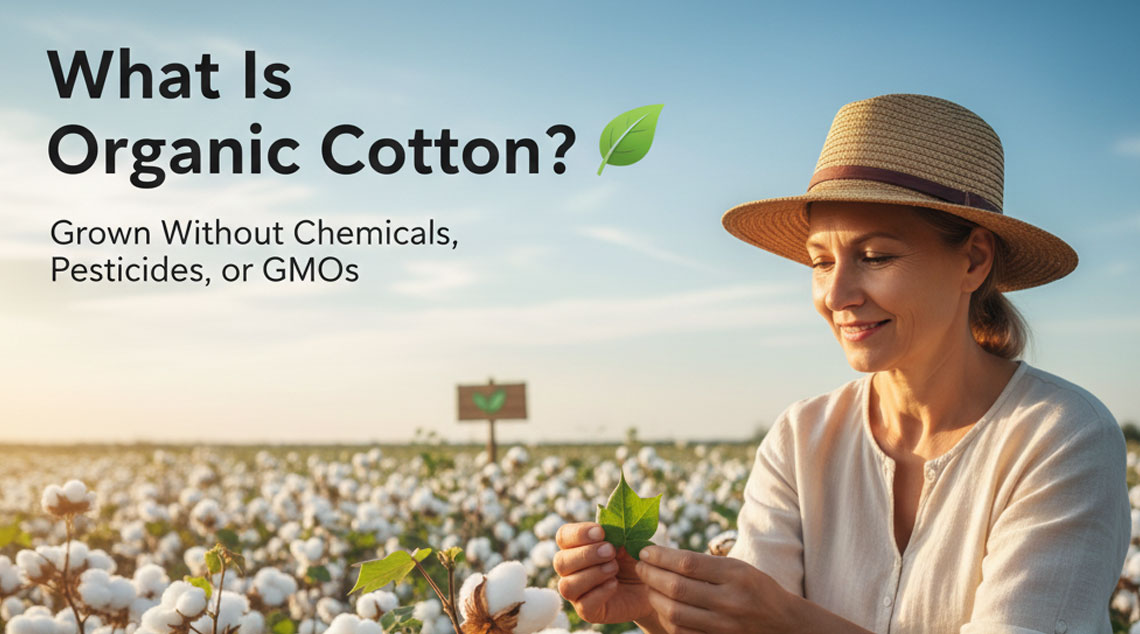
Organic cotton grows without chemicals, pesticides, or GMOs. Farmers use natural methods that protect the soil and water. This helps the cotton stay clean and strong. Clothes made with organic cotton feel soft and gentle on the skin. Many people like an organic cotton tee, hoodie, or organic cotton t-shirts for daily comfort. Because it feels safe and natural, organic cotton is a great choice for custom clothing that people wear often.
What Is Regular Cotton?
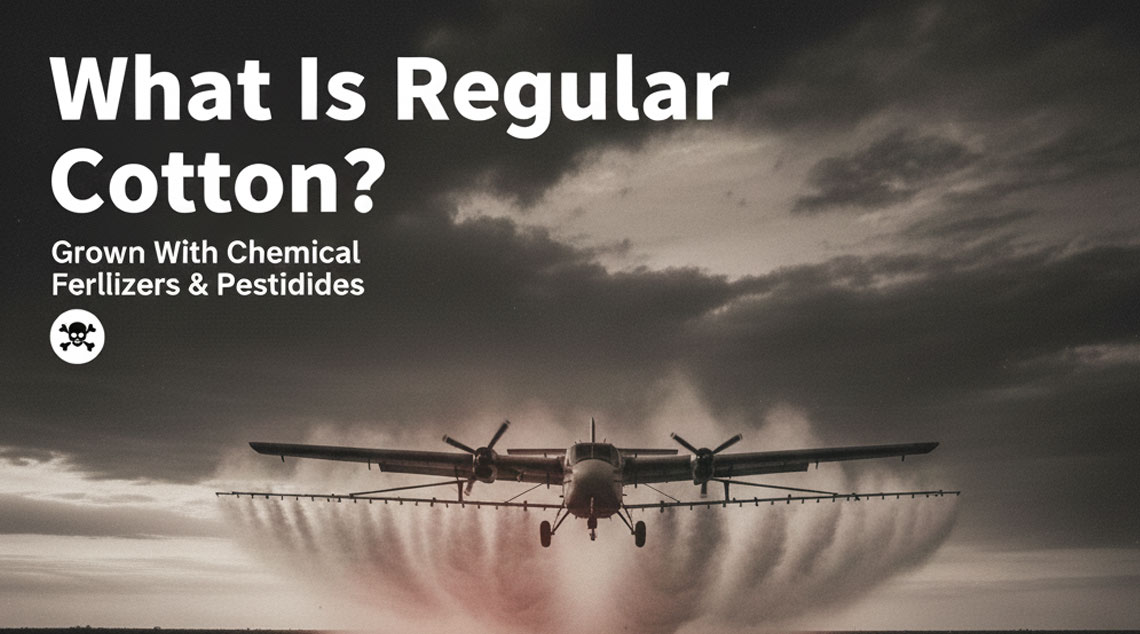
Regular cotton, or conventional cotton, is grown with chemical fertilizers and sprays. These chemicals can harm soil, water, and nearby plants and animals. Some people may feel irritation when wearing regular cotton because of these residues. Regular cotton is common because it grows fast and costs less. Many clothing items in stores use this type of cotton. Still, more people now compare organic cotton vs regular cotton when choosing materials for custom clothing.
Organic Cotton vs Regular Cotton: Key Differences
The main difference between organic cotton and regular cotton is the farming method. Organic cotton grows with clean and natural practices. Regular cotton grows with chemicals that can affect the fiber and the land. People often ask, Is organic cotton softer than regular cotton? In many cases, it is softer because the fibers are not damaged by chemicals. Organic cotton also uses less water and helps support healthy farming. Knowing what the difference between cotton and organic cotton is helps buyers pick better fabrics for custom clothing.
The Benefits of Organic Cotton
There are many benefits of organic cotton, including softness, comfort, and fewer irritants for the skin. It is a good choice for people with allergies or sensitive skin. Organic cotton breathes well and stays comfortable in warm or cool weather. It also holds color and shape through many washes. Many designers use organic cotton for custom clothing because it works well with prints and embroidery. Items like an organic cotton sweater, tee, or hoodie stay soft and durable for a long time.
Pima Cotton vs Organic Cotton
When looking at Pima cotton vs organic cotton, both offer different strengths. Pima cotton has long fibers that feel smooth and strong. Organic cotton focuses on clean growing methods without chemicals. When combined, organic pima cotton offers a soft and eco-friendly fabric. In the debate of Pima cotton vs regular cotton, Pima is usually softer and lasts longer. People who want comfort and sustainability often choose organic cotton instead of regular cotton. These options work well for premium custom clothing that needs quality and comfort.
Why Organic Cotton Matters in Custom Clothing
Organic cotton is important in custom clothing because it is soft, breathable, and easy to wear all day. It makes printing and embroidery look clean and sharp. Many people prefer organic cotton clothes because they feel light and gentle on the skin. Items like an organic cotton sweater, tee, or hoodie stay comfortable after many uses. As more people compare organic cotton vs conventional cotton, they look for cleaner and safer options. Organic cotton helps create custom pieces that feel good and support healthier farming.
Frequently Asked Questions (FAQs)
Q1: What is organic cotton?
Organic cotton is grown without chemicals or GMOs. At Zuni, we use only pure, high-quality organic cotton for our products.
Q2: Does organic cotton shrink?
Organic cotton may shrink slightly after the first wash. Zuni recommends following care instructions to keep your clothes fitting perfectly.
Q3: Can I get custom clothing made with organic cotton at Zuni?
Yes! Zuni offers a full range of custom clothing using soft and eco-friendly organic cotton.
Q4: Is organic cotton better for the environment??
Yes, it uses less water and avoids harmful chemicals. Zuni’s organic cotton supports sustainable and eco-friendly farming.
Conclusion
Choosing between organic cotton and regular cotton depends on comfort, health, and environmental needs. Organic cotton offers cleaner farming, softer fibers, and safer materials for daily wear. Regular cotton is more common, but it often uses chemicals that affect the soil and the fabric. Many people now prefer organic cotton for tees, hoodies, sweaters, and other custom clothing. It supports better farming and gives a gentle feel to the skin. For those who want comfort and responsibility in one fabric, organic cotton is a strong and reliable choice.