How to Choose the Best Fabric for Your Custom-Printed Apparel
December 2, 2025
Selecting the Perfect Canvas for Your Design
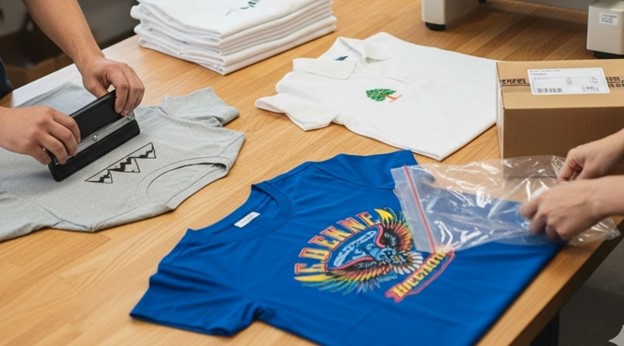
Choosing the right blank shirt is your most vital choice. Selecting the right fabric type greatly affects the shirt's feel. It also changes how long the print will last. This choice means your shirt will look great. Understanding shirt materials is key when making custom clothing.
This easy guide will help you look at today's fabric choices. We will show how a professional t-shirt manufacturer and custom printing company find the best fabrics. We will clearly explain all the main fabric types. This will show how your fabric choice helps your finished designs succeed.
The Basics: What Makes a Shirt
You should know what shirts are made of before you pick a fabric. The question of what t-shirts are t shirts made of covers both natural and man-made fibers. These T-shirt materials are the start of all shirts sold today. You must know the difference between these two groups. This basic knowledge helps you choose well for your order.
Cotton: The Classic Choice
Cotton is still the world's most liked material for clothing. Cotton t-shirts are loved. They are soft and breathable. Cotton is a natural fiber. It absorbs sweat well. It feels nice on your skin when it is hot. This material is a classic start for any design project. Cotton is the standard T-shirt fabric everyone trusts.
Natural Fibers Beyond Cotton
Other natural fibers are used too. These are cotton, wool, silk, and linen. Cotton is the main shirt fabric. But others are used for special items like formal shirts. You need to know what each fiber does. These natural materials all offer unique looks.
Does Cotton Print Well
People often ask if cotton prints well with normal methods. The short answer is yes. It is the top choice for most printers. Cotton fibers hold ink very tightly. This means your colors will be bright. The prints will last a long time. Pure cotton is a very reliable material for making sharp graphics.
Printing on Cotton
Screen printing is a classic method. It works best on cotton shirts. You certainly can screen print on cotton. You will get great results every time. Cotton fibers are strong. They absorb the ink well. This makes them perfect for the screen-printing process. This mix creates a soft print feel. Cotton is the standard material for making graphic t-shirts.
Polyester and Athletic Wear
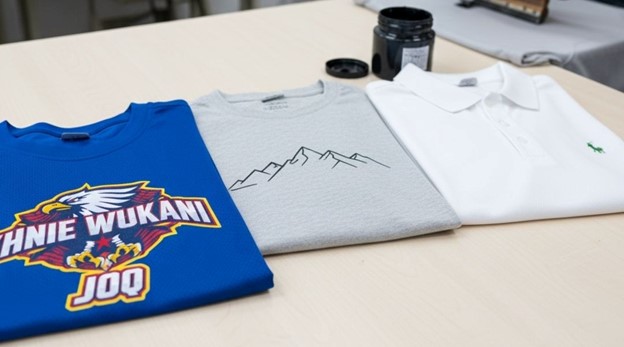
Polyester t-shirts are different from cotton. They are a strong, man-made material. They are made for action. Polyester is light and very strong. It does not shrink or wrinkle easily. It is mostly used for gym clothes. It moves sweat away quickly. This synthetic fiber is the key choice for a sports shirt.
High-Performance Fabric
If you need a shirt for sports or fitness, picking the right material is vital. Performance fabric for T-shirts means special synthetic blends. These are usually made from polyester fibers. These fabrics pull sweat away very fast. This helps the person stay cool and dry during exercise. Such fabrics are needed for team uniforms and activewear brands.
Screen Printing Fabric Essentials
Choosing the best fabric to print on means you must think about the printing method. Different materials react in different ways to heat and inks. To succeed, you must match the method to the shirt's material. This stops problems like colors changing or prints cracking. Choosing the right fabric is the essential first step in successful fabric printing.
Best Material for Screen Printing
If you use screen printing, finding the best fabric for screen printing is very important. Fabrics that are smooth and tightly woven work best. They must also have a lot of natural fiber content. These features let the ink sit evenly and dry correctly. Cotton and cotton blends are perfect choices for this technique. The search for the best material for screen printing usually ends with ringspun cotton.
Best Shirt for Screen Printing
When you buy blank shirts, finding the best shirt for screen printing means checking the shirt's quality. Look for shirts that feel smooth. Look for ones labeled "soft hand." Good color and low texture show a superior base product. These choices lead to fewer errors. They also make the print last longer. This careful step shows you are an expert planner.
Best Shirts for Screen Printing
For companies ordering large quantities, choosing the best shirts for screen printing means balancing quality and cost. The 100% cotton choice is common. But sometimes a tri-blend is better for a soft, vintage feel. Pure cotton is the reliable choice for bold artwork. Talk to your print shop for advice on the right fabric for screen printing.
Print and Stitch Methods
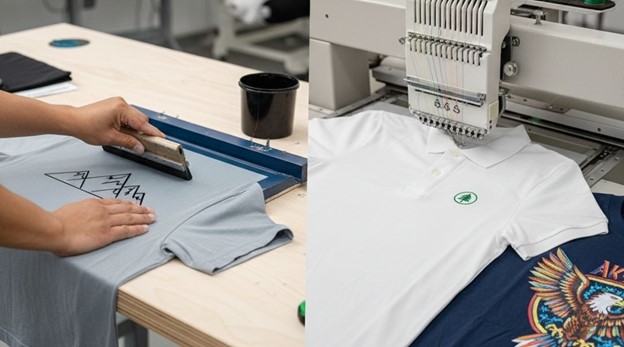
Many custom jobs use screen print and embroidery on one garment. The fabric must work well for both without issues. Thicker fabrics handle the thick stitching of embroidery better. This stops the shirt from puckering. The same fabric must also take screen-printed ink well. Talking to a skilled manufacturer is the best way to handle both processes.
Custom Embroidered Shirts
For uniforms or nice branded goods, Custom embroidered polo shirts are very popular. Polo shirts are usually made from a durable pique knit fabric. This fabric works very well with dense embroidery thread. You can screen print on polos. But embroidery is often chosen for a high-end look. This choice proves you know how to decorate apparel.
How Fabric Weight Affects Choice
The fabric's weight changes how the shirt feels to worn. Lightweight t-shirts are about 3.2 to 4.5 ounces. They offer a very soft feel. They hang lightly. These shirts are perfect for hot weather or layering clothes. They are comfortable but often less durable than heavier shirts.
In contrast, heavyweight t-shirts are usually 6.0 to 7.5 ounces or more. They are much thicker and sturdier. These fabrics look strong and classic. They last a very long time. This makes them great for workwear or daily use. The thick material holds heavy ink or complex embroidery well.
Finding the Best Material
To find the best shirt material, think about what the user needs the shirt for. Is the shirt for a race? Is it for a fashion line? The shirt's purpose tells you if you need moisture control (polyester). Or if you need classic comfort (cotton). Experts agree the "best" material always does its job well. This is a key point that expert creators always remember.
Best Fabrics for Printing
Designers focused on looks need the best shirt fabrics for printing. They need fabrics with a smooth, clean surface. The main goal is to lower the texture. Texture makes the graphic look fuzzy. When checking the best fabrics for shirts, look for high-quality cottons. These have softer fibers. They last longer. This focus shows a true commitment to quality.
To find the best t-shirt material for printing, check how the fabric takes ink and heat. Natural fibers like cotton accept most inks easily. Synthetic blends need special inks. These inks stop the shirt's dye from moving into the print when heated. Knowing these rules increases the final quality a lot.
Best Material for T Shirt Printing
Focusing on the best material for t-shirt printing keeps customers happy. High-quality cotton or strong cotton blends are reliable for lasting prints. Do not use fabrics that are very textured or knit loosely. These cause the ink to look uneven. The fabric is your canvas. A smooth canvas makes for a better picture.
Logistics and Ethical Choices
The question of what material is used to print on shirts depends on the machine and the ink. For screen printing, thick ink is applied directly. For digital printing, liquid ink is sprayed. The complete t-shirt printing materials list includes the shirt, ink, screens, and all curing tools.
You must know how to design t-shirts by thinking about the shirt's style and fit. The best t-shirt designs use the fabric color as part of the picture. Today, many brands use eco-friendly fabrics like organic cotton. This appeals to customers who care about the planet.
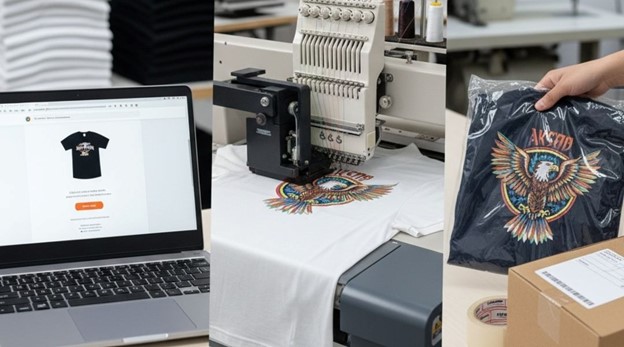
Print on demand
(POD) Services have made ordering custom shirts simple. But POD is less flexible with fabrics than working with a large t-shirt manufacturer and a custom printing company. When looking for custom t-shirt printing in the USA, customers expect fast service and high quality. They also expect materials that are sourced ethically.